

People of Xylem: Women turning expertise into water impact
Three Xylem experts share how they are strengthening water security through innovation, policy, and community partnerships — demonstrating how careers in water create meaningful impact for customers and communities around the world.
Water is essential infrastructure. Everyday water professionals design, operate, regulate and improve the systems that protect public health, support local economies and sustain communities.
Across Xylem, women are contributing expertise in engineering, policy, product innovation, and community engagement to help solve some of the world’s most complex water challenges. Their work helps utilities and industries operate more resilient systems while expanding access to safe and reliable water.
International Women’s Day is an opportunity to recognize the people driving that progress. In this People of Xylem feature, three women colleagues share how their work strengthens water security, the challenges and opportunities shaping the future of water, and the moments when they saw their efforts translate into real-world impact.
 Alexandra Ramirez
Supervisor, Social Impact Program
Indiana, U.S.
Your role sits at the intersection of water and impact. What does your work involve, and how does it help strengthen water security?
Water shapes daily life in ways many people don’t always see. It influences health, education, economic opportunities, and the resilience of communities. When safe water is available and accessible, it changes what is possible for people.
I often describe my role as being the connector — the person working in the middle of people, purpose, and community impact to connect Xylem with the communities around us. Through Xylem’s corporate social responsibility program Watermark, I help mobilize volunteer expertise, funding, and partnerships to support initiatives focused on water access, disaster response, and community resilience.
What emerging challenges or opportunities in water are you paying close attention to?
Water systems are often the first place where broader changes show up. When severe weather intensifies, when populations grow, or when infrastructure ages, the effects quickly ripple through water access and reliability. Today, these pressures are converging, and communities are working hard to keep up.
What gives me optimism is the growing recognition that solving water challenges requires collaboration. Companies, nonprofits, governments, and communities are increasingly working together to address these issues in more coordinated ways.
When we bring people together around a shared purpose, like protecting water, we can create solutions that are far more powerful than any single organization working alone.
Can you share a moment or initiative where you saw your work translate into real-world impact?
One moment that has stayed with me happened during a volunteer trip to Querétaro, Mexico. I was part of a team of volunteers building a water filtration tower at a rural school where the local water supply was unsafe to drink. In many communities across Mexico, families rely on water trucks that arrive once a week, and clean water often runs out before the next delivery.
Each tower that we build provides clean, drinkable water to around 3,500 people. But it wasn’t until we turned on the faucet that the impact truly sank in.
Students and teachers gathered around as we tested the system. We drank from the tap first to show it was safe. Then the students stepped forward. I remember one student pausing for just a second before taking a sip and then smiling.
It was a simple but powerful moment. Clean water meant they didn’t have to think twice — they could simply drink. Being next to that faucet and those kids reminded me that the work Xylem, our customers, and our partners do truly matters. When communities gain reliable access to clean water, it creates freedom and opportunity.
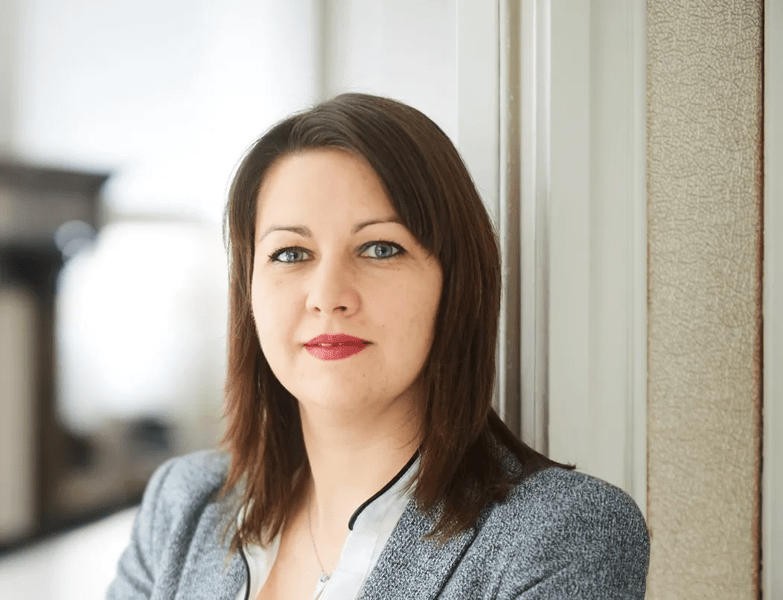 Tania Pentcheva
Director, Europe Government and Industry Relations
Brussels, Belgium
Your role sits at the intersection of water policy and innovation. What does your work involve, and how does it help strengthen water security?
I lead European government affairs for Xylem, advocating for policies and legislation that strengthen the water sector and enable meaningful progress on water resilience.
Policy plays a crucial role in how water systems evolve. Regulations establish standards for water treatment, reuse, and environmental protection, while public investment programs help fund modernization and infrastructure improvements.
By helping shape these frameworks, my work supports the conditions that allow utilities and industries to invest in solutions that improve performance and protect water resources for the future.
What emerging challenges or opportunities are you paying close attention to?
I am currently focused on the digital transformation of the water sector. Digitalization is helping utilities monitor infrastructure in real time, identify leaks earlier, optimize treatment processes, and make more informed investment decisions.
In Europe, we are currently working toward a Digital Water Action Plan expected to be published in 2026. This initiative could significantly accelerate the adoption of digital tools across the water sector.
When digital insights are combined with policy frameworks and modern infrastructure, utilities and governments will be better equipped to manage water resources and respond to emerging challenges.
Can you share a moment where your work translated into real-world impact?
I had the honor of participating in the development of the EU Water Resilience Strategy, adopted in June 2025. This strategy is the first comprehensive framework designed to address the full range of water challenges facing Europe, including infrastructure modernization and innovation.
Developing this strategy involved years of collaboration between policymakers, industry leaders, and water experts. It marks an important milestone for Europe, setting a clear, long-term vision with concrete actions to strengthen our water systems.
While policy work often unfolds over time, moments like this remind me that progress is possible when stakeholders come together with a shared purpose. The strategy provides a roadmap for investments, projects, and new technologies that help Europe’s communities adapt to changing water conditions and build stronger systems.
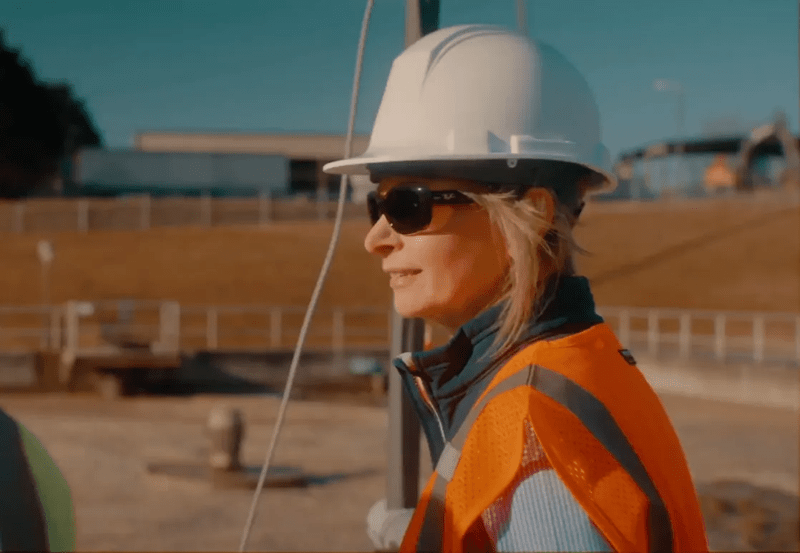 Cedella Beazley
Senior Director, Growth Initiatives
Minnesota, U.S
Your role sits at the intersection of water innovation and growth. How does your work help strengthen water security?
My role is focused on accelerating how we develop and bring new water solutions to market for utilities and industrial operators. That means working closely with our product and commercial teams, partners, and customers to deliver innovations that address the practical challenges water operators face every day.
Utilities and industries are under pressure to improve performance, control costs, and meet evolving regulatory requirements. For new technologies to succeed, they need to be practical, reliable, and integrated into existing systems.
My job is to accelerate that journey — from early development through commercial deployment —s o that new solutions can deliver measurable value to customers.
What water challenges or opportunities are you paying close attention to?
Across both municipal and industrial sectors, a consistent challenge is helping operators do more with fewer resources.
Customers are facing rising energy costs, staffing constraints, tighter discharge limits, and more variable influent wastewater quality. These pressures require solutions that simplify operations while improving performance.
The opportunity lies in combining innovation with practical implementation. When new technologies are designed with operators in mind, they can deliver measurable improvements for communities, industries, and the environment.
Can you share an example where you saw innovation translate into real-world results?
One example that stands out is our work introducing nanobubble technology into wastewater treatment applications.
Through collaboration with Moleaer Inc., sales and process engineering teams, and facility operators, we’ve been able to move this technology from demonstration projects into full-scale operational environments.
At operating sites, whether it’s a municipal plant dealing with foaming or an industrial facility trying to reduce chemicals and stabilize processes, you can already see the impact of this innovative technology: reduced chemical use, more stable operations, and better day‑to‑day performance.
These are the moments when the work really feels meaningful.
Supporting the heroes who make water work
Water challenges are growing more complex and meeting them depends on the expertise and dedication of water professionals across disciplines. Alexandra, Tania, and Cedella’s stories reflect how innovation, policy, and partnerships translate into real progress for communities and industries. On International Women’s Day, we recognize their contributions — and the many professionals across the water sector whose work strengthens resilience and helps make water work every day.