

How water treatment plants build more predictive and resilient operations in a complex environment
By Roody Afrasiabi, Product Manager AI Services, Service Excellence
Water treatment plants are building more predictive and resilient operations by identifying risks earlier, improving decision-making and reducing operational disruptions before they affect performance.
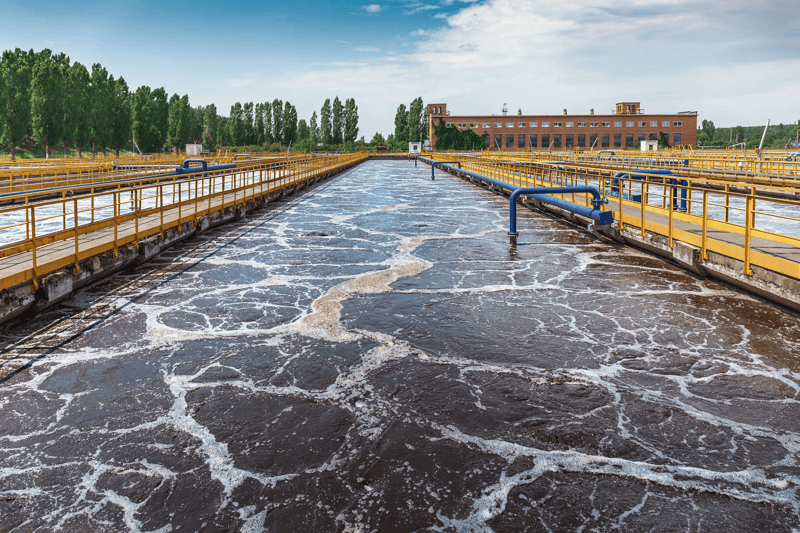
Every day, water treatment operators make decisions that affect compliance, energy use, asset performance and service reliability. As treatment processes become more complex and experienced workforces transition, utilities are increasingly looking for ways to preserve operational knowledge and identify risks before they become disruptions.
Water and wastewater treatment plants generate more operational data than ever before. SCADA systems, sensors, asset monitoring platforms and compliance programs continuously collect information about how treatment processes, equipment and systems are performing. Yet many utilities still struggle to convert that information into earlier, more confident operational decisions.
The challenge is no longer data availability. It is operational clarity. Connected systems generate enormous volumes of information, but operators must still determine what requires attention and what can be safely ignored. As treatment processes become more interconnected, identifying the signals that matter is becoming increasingly difficult. Without effective prioritization, valuable time is spent separating meaningful signals from noise before action can begin. For water utilities, the ability to focus on the right issues at the right time is not simply an operational advantage. It is essential to maintaining compliance, protecting water quality and delivering reliable service to the communities that depend on it.
At the same time, that challenge is becoming harder to manage. Aging infrastructure, workforce transitions, increasingly complex regulatory requirements and more variable operating conditions are placing additional pressure on treatment operations. Communities and industries continue to depend on safe, reliable water service every day, making it even more important for utilities to identify and address emerging risks before they affect performance.
Increasingly, leading utilities are finding that predictive operations start with better visibility. By connecting information across treatment processes, assets and systems and applying AI-driven analytics, utilities can identify emerging issues sooner, make more informed decisions and reduce the likelihood of unplanned failures and operational disruptions.
Why is the reactive maintenance cycle costing utilities capacity they cannot afford to lose?
The operational reality most treatment plants navigate today follows a familiar pattern. A sensor flags an anomaly. An operator investigates. Maintenance follows. Each cycle consumes time, labor and budget that most utilities are already stretching.
But the challenge often begins before the investigation itself. Connected systems can generate thousands of alarms, notifications and process alerts each day. Operators must determine which signals require immediate attention and which are simply symptoms of a larger underlying issue. That triage step happens before any investigation begins and can consume a significant share of the working day, reducing the time available for higher-value operational activities.
This is not the result of poor management. It is the natural outcome of systems built to confirm what happened rather than anticipate what will. SCADA dashboards display current readings. Maintenance logs record past failures. Neither was designed to help operators identify emerging risks or prioritize developing conditions before they escalate.
The cost extends beyond individual maintenance events. When teams respond primarily to the most persistent or visible alerts, resources can be directed toward symptoms rather than root causes. Repeated investigations, emergency responses and unplanned maintenance consume capacity that could otherwise be spent improving performance, optimizing processes or preparing for future challenges.
The challenge compounds further as workforces transition. Experienced operators carry decades of institutional knowledge about how systems behave under changing conditions and how seemingly unrelated events can signal emerging problems. As those operators retire, utilities risk losing valuable operational expertise at the same time they face greater complexity across treatment processes, assets and regulatory requirements. That creates a resilience gap that no dashboard alone can close, because much of the judgment developed through years of experience is not captured in any log or system.
The result is a growing gap between the volume of information available and the ability to consistently turn that information into timely action. For many utilities, building more predictive operations starts with closing that gap before reactive workflows become an increasing drain on operational resilience.
What makes the data gap harder to close than it looks?
Most plants do not lack data. They lack connected data. Process readings, equipment performance records, maintenance histories and compliance logs often sit in separate systems that do not communicate, forcing operators to make decisions from partial pictures.
Consider a filtration issue. A gradual rise in filter differential pressure, an increase in backwash frequency and a dosing adjustment made upstream three weeks earlier may each appear normal when viewed in isolation. No threshold is crossed. No conventional alarm is triggered. No operator reviewing any single system would necessarily see a reason to intervene. Taken together, however, those signals describe one developing condition with a specific cause and a clear path to action. Nothing in the alarm system would have surfaced it, because no single threshold was ever crossed.
One of the biggest challenges in treatment operations is that operators are often evaluating systems they work with every day. Proximity can create blind spots. The closer someone is to a process, the harder it becomes to distinguish what is truly normal from what has simply become familiar. This is where AI can provide value, not by replacing operator judgment, but by offering an independent perspective that helps teams identify risks earlier and recognize relationships that might otherwise go unnoticed.
This is the challenge many utilities are working to overcome. The goal is not simply collecting more information. It is creating a connected operational view that helps teams understand relationships across assets, processes and systems, allowing them to identify emerging risks earlier and respond with greater confidence.
Increasing connectivity adds another layer of complexity. As more operational technology integrates with broader networks, cybersecurity risk grows. Secure integration is a prerequisite for every digital improvement that follows, making cybersecurity not only a compliance consideration but a resilience strategy in its own right.
For many utilities, building more predictive and resilient operations begins with connecting information across systems so operators can move from reacting to isolated events toward understanding the broader conditions shaping performance.
How are leading utilities building more predictive and resilient treatment operations?
The shift begins with better operational visibility.
Most treatment plants already have access to large volumes of operational information, but that information typically resides across disconnected systems. Process readings, asset-health indicators, maintenance records, energy data and compliance metrics may all exist independently, making it difficult for operators to recognize emerging risks early enough to act.
Leading utilities are addressing this challenge by creating unified operational data foundations that connect information from across the plant into a single operational view. With greater visibility into how systems interact, operators can move beyond monitoring current conditions and begin identifying patterns that may signal future performance issues. As connected data becomes increasingly common across the industry, the focus is shifting from collecting information to generating actionable insight. This shift helps operators understand what requires attention, what actions should be prioritized and where emerging risks may affect operational performance.
Solutions such as Xylem Vue can support this transition by bringing operational, asset and process data together into a connected environment that supports real-time monitoring, predictive analytics and more informed decision-making.
Utilities are already demonstrating the value of this approach. At Cleveland Wastewater Treatment Plant in Queensland, Australia, Redland City Council sought to address challenges associated with fragmented operational data and limited system integration. By bringing information from multiple sources into a unified environment, the utility improved operational visibility, strengthened compliance monitoring and enabled faster, more informed responses to operational challenges. Plant personnel also gained greater insight into performance trends and opportunities for continuous improvement.
The measure of success is not how much data a platform connects. It is whether operators begin each shift with greater clarity about where to focus and whether the plant can maintain performance when conditions change unexpectedly.
What does the future of predictive treatment operations look like?
Much of what determines a treatment plant's performance originates outside its boundary. Wet-weather flows in the collection system influence hydraulic and organic loading. Source water variability shapes treatment requirements. Energy demand and pricing influence operational decisions. Increasingly, utilities are recognizing that many of the conditions shaping plant performance can be anticipated before they affect operations.
As information becomes more connected across treatment plants, collection systems, distribution networks and external operating conditions, utilities will gain a broader understanding of the factors influencing operational performance. This expanded visibility will help operators anticipate changing conditions earlier, evaluate potential impacts and make more informed decisions before issues affect reliability, compliance or service delivery. For the communities served, that translates into fewer service disruptions and more consistent water quality, even as conditions grow harder to predict.
Future predictive operations will extend beyond individual treatment plants to incorporate collection systems, distribution networks, weather conditions, source water variability and energy demand, giving utilities a more complete picture of operational risk.
For utility leaders, the implication is straightforward. The organizations building strong data foundations today will be better positioned to adapt to evolving workforce, regulatory and operational challenges tomorrow. More importantly, they will be better equipped to maintain reliable service, optimize resources and build the resilience needed to meet the growing demands placed on water infrastructure.
Frequently asked questions
Water treatment plants are building more predictive and resilient operations by connecting information across treatment processes, assets and systems to create earlier visibility into emerging risks. AI-driven analytics help operators identify issues sooner, improve decision-making and reduce the likelihood of unplanned failures, compliance events and operational disruptions while improving overall operational resilience.
AI continuously analyzes operational, asset and process data to identify patterns that may indicate developing issues. By helping operators distinguish meaningful signals from background noise, AI provides earlier warnings and recommendations that support more informed decisions before problems affect treatment performance, compliance or service reliability.
Most utilities hold large volumes of operational data, but that information often exists across disconnected systems with limited integration and visibility. Workforce transitions, cybersecurity requirements and organizational readiness can also slow progress. Building a trusted, connected foundation that supports operational visibility and decision-making is often more important than the technology itself.
No. AI is designed to support operators, not replace them. The most successful deployments keep humans in control by providing explainable recommendations that help teams make better decisions. Operators retain responsibility and accountability, while AI helps extend visibility, preserve institutional knowledge and improve operational consistency across treatment operations.
Building resilience starts with better decisions
The treatment plants that build the greatest resilience over the next decade will not necessarily be those with the most technology. They will be the ones that help their operators make better decisions earlier.
That capability is becoming increasingly important as utilities navigate workforce transitions, aging infrastructure, more complex compliance requirements and growing expectations for reliable service. The plants best positioned for the future will be those that can identify developing issues sooner, respond more confidently and continuously improve operational performance. They will also be the ones that preserve hard-won operational knowledge as teams change, rather than rebuilding it with each transition.
For water utilities, the path from reactive operations to predictive operations is not simply a digital transformation initiative. It is an operational resilience strategy.
The future of water treatment will not be defined by how much information utilities collect, but by how effectively they convert that information into trusted operational decisions that help them identify emerging risks earlier and respond with greater confidence.