

How water secures reliability in the AI-driven energy transition
Artificial intelligence is driving rapid growth in electricity demand, putting pressure on the power systems that supply it. What looks like an energy problem is also a water challenge. Drawing on insights from the Watering the New Economy report, Kishor Nayar explains the role of water in reliable power generation — and what water action is needed to support the growth of AI.
Artificial intelligence is expanding fast. Data centers are multiplying. Semiconductor production is rising. That demands a lot of extra electricity, available around the clock. Much of this demand is clustered, often near population centers, drawing on power systems that were not built for that kind of load.
The Watering the New Economy report from Global Water Intelligence and Xylem shows that water withdrawals across the AI value chain — data centers, semiconductor manufacturing and power generation – could rise nearly 130% by 2050. In other words, we need to source around 30 trillion additional liters every year, with power generation accounting for roughly half of that.
This extra demand matters, and power providers have to ask themselves a big question: will their systems be able to cope? Kishor Nayar, PhD, PE, Director of Business Vertical – Chemicals Industry at Xylem, says that solving water is part of that answer.
How can the power sector meet demand without losing stability?
Much of the world’s AI infrastructure has been built in clusters; its operations run 24/7. That puts pressure on local generation and cooling systems. To meet the demands of this energy expansion, operators tap into many different energy sources. Renewable energy like solar and wind is growing quickly. Gas turbines are being installed as well. In some regions, the lifespan of older thermal plants is extended.
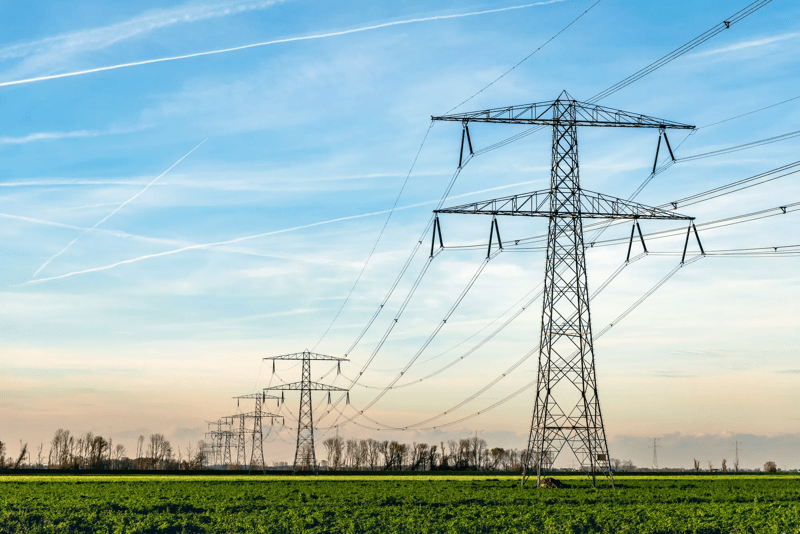
It’s this broad mix that keeps the electricity flowing — but makes the water demand of the AI economy even more of an issue, especially in regions where supplies are already tight. Renewable energy sources are the most water-secure option, as they use little water while operating. However, right now it’s often thermal plants — powered with gas, oil or coal – and in some cases nuclear power stations that carry much of the reliability burden, and it’s these systems that depend heavily on water for cooling.
Power providers have to plan for maximum energy demand. When demand rises faster than the energy infrastructure can expand, stability becomes an issue — and often it’s water that determines whether it holds.
How much water does AI use?
AI’s rising energy demand is well known; its growing water footprint is less visible but just as real. Thirty minutes of intensive AI use leads to just over 600 milliliters of water use. Just over 100 milliliters are used during the production of computer chips and the cooling of the data centers themselves.
Water constraints usually happen at times of extreme heat, drought, or peak demand. That’s when the strain on cooling systems can translate into water stress. With AI driving additional electricity demand, water management has to be an integral part of siting and long-term planning decisions for the AI value chain.
The report notes that 40% of data centers are already located in areas of high or extremely high water stress. Growing renewable energy supplies could save just over 100 trillion liters of water by 2050. That will help. Right now, though, thermal plants are the anchor of energy reliability, and many rely on freshwater cooling. Carbon goals and water risk don’t always move together. Power systems must manage both.
Strengthening water systems before they strain
Rising AI demand does not have to mean rising freshwater withdrawals. Globally, municipal wastewater volumes amount to roughly 320 km³ per year. Up to 100 km³ is lost through leakage. Reusing treated wastewater and reducing water network losses could supply more water than the AI economy is projected to require by mid-century.
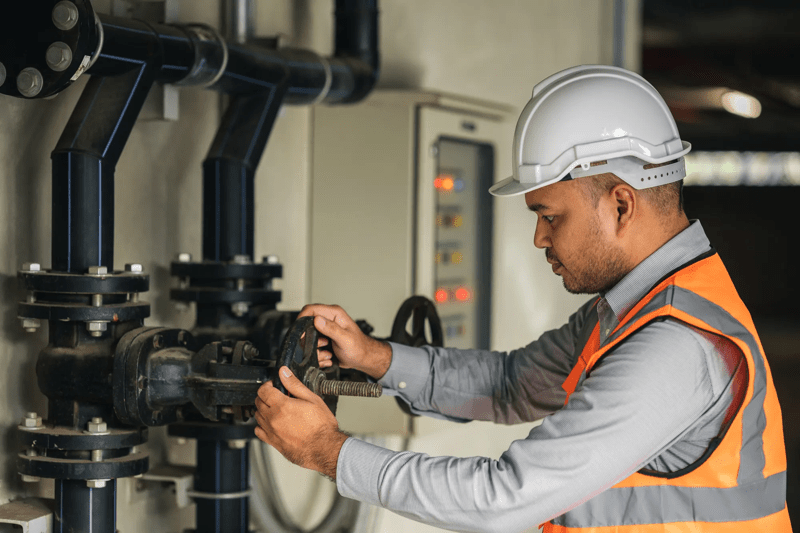
We already know that it is possible to modernize existing infrastructure to meet the new demand without straining supplies. In Arizona, Intel funded a water treatment facility owned and operated by the City of Chandler, which recovers and reuses roughly 96% of water. The Palo Verde nuclear station has relied on reclaimed wastewater for cooling since 1985. Both examples show that diversifying supply can protect reliability without increasing pressure on freshwater sources. These approaches do more than add capacity. They reduce risk.
Water is part of power strategy
If water planning falls behind demand growth, projects slow and risk increases. If water systems are strengthened alongside energy systems, reliability improves. AI is accelerating change. Infrastructure takes time. Water connects those two realities.
Water may not lead every AI headline. But in many regions, its availability will determine whether systems can operate at full output. As electricity demand grows and power systems adjust, water strategy becomes part of power strategy — not as an afterthought, but as a requirement for keeping the lights on.